








Comparison guide
 Later
Later PostOnce
Later vs PostOnce
Post once. Publish everywhere.
Choose Later for visual planning and Instagram-first content calendars. Choose PostOnce for automatic crossposting and recycling across more distribution paths.
7-day free trial · No credit card required
Creators, brands, and agencies use PostOnce








200k+
posts published
9
platforms
15 min
detection
7-day
trial
Quick read
Later vs PostOnce at a glance
Use this table to pick the right first trial. Later stays on the left. PostOnce stays on the right.
| Buyer question | Later |  PostOnceBetter for crossposting PostOnceBetter for crossposting |
|---|---|---|
| Best fit | Creators and social teams that plan visually around Instagram, TikTok, and brand collaboration. | Automatic crossposting from one source post to many destinations. |
| Core job | A dedicated workflow around its own repurposing model. | Post once, publish everywhere across connected social accounts. |
| Content types | Depends on the current source, destination, and plan. | Videos, images, carousels, and text-friendly posts. |
| Recycling | Depends on recurring-post or comparable workflow support. | Same-platform recycling, such as Instagram to Instagram. |
| Technical workflows | Check the current public API and automation surface. | API and MCP access on paid plans. |
Workflow fit
Later and PostOnce solve different jobs
A fair comparison starts with the work you need done next. If you need a broader repurposing builder, Later belongs in the conversation. If you need one existing social post to turn into many published posts, PostOnce is the cleaner first test.
Choose Later if...
Creators and social teams that plan visually around Instagram, TikTok, and brand collaboration.
Teams that need media libraries, content calendars, and visual workflow planning.
Brands that care about aesthetic feed planning and creator collaboration.
Choose PostOnce if...
Automatic crossposting from one source platform to many destination platforms.
Same-platform content recycling, such as Instagram to Instagram, for evergreen posts.
Video, image, and text publishing across the supported PostOnce platforms.
API and MCP access for technical teams and AI-assisted publishing workflows.
A simple buying test: if your next step after publishing is still opening three apps, copying the caption, resizing media, and uploading again, compare tools by automatic distribution, not by calendar features.
Why it matters
The real problem starts after you publish once
Most creators do not need another calendar first. They need one post to turn into many platform-ready posts.
- Manual uploads steal creation time
- Captions drift across platforms
- Old posts stop working too early
- One platform ban hurts distribution









Hours saved,
content multiplied
Workflow
How PostOnce crossposting works
Start with the content you already created. PostOnce adapts, formats, and publishes it across your selected destinations.
Your source
PostOnce
Create once. Publish everywhere.
Destinations
Publish to 9+ platforms automatically.
Workflow comparison for Later vs PostOnce: source post to PostOnce to destination platforms.
Founder proof
PostOnce came from a real creator workflow
Nigel built PostOnce after he found himself posting on one platform because manual reposting took too much time. He used the workflow to grow How2Rizz by distributing the same content across TikTok, Instagram, and YouTube.
15k+
TikTok followers
12k
Instagram followers
4.8k
YouTube subscribers
2.3M+
views on a single video

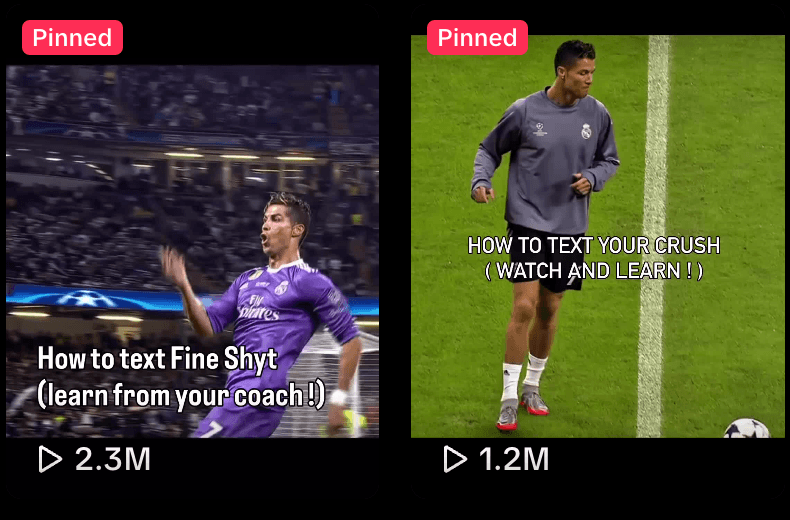
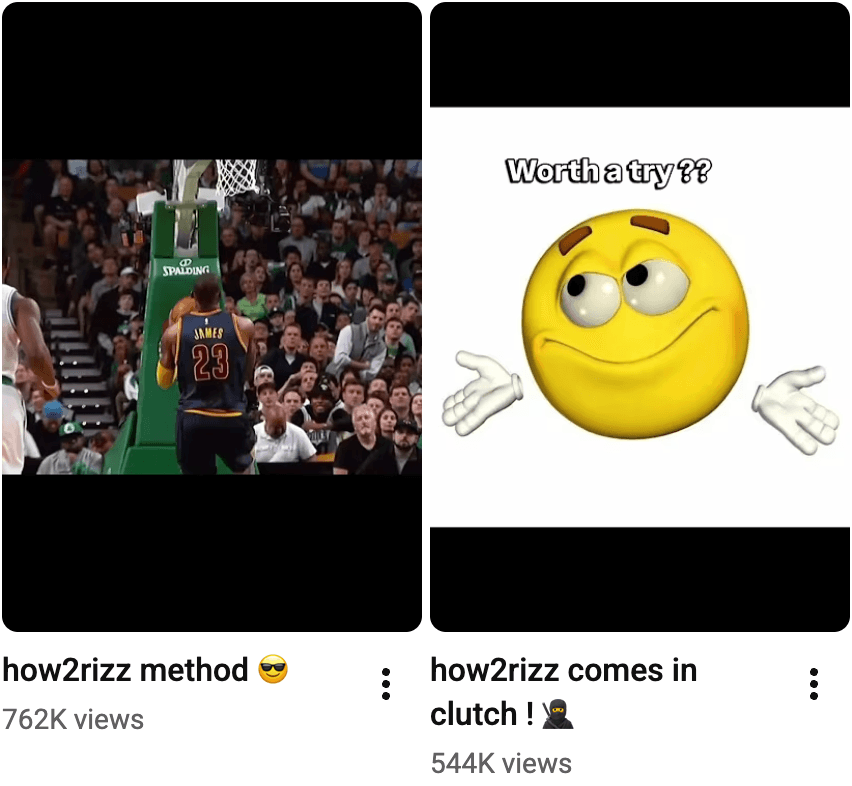
The point is practical: if one post works on one network, it should get a fair shot on the others without another manual upload loop.
Core comparison
Feature comparison: Later vs PostOnce
This table keeps the scan easy. Look for where each tool is included, where it depends on the setup, and where you should check current plan limits.
| Feature | Later | PostOnce |
|---|---|---|
| Publishing and platform support | ||
| Current PostOnce platforms | DependsDepends | IncludedIncluded |
| Video posts | IncludedIncluded | IncludedIncluded |
| Image posts | IncludedIncluded | IncludedIncluded |
| Text posts | IncludedIncluded | IncludedIncluded |
| Automation model | ||
| Automatic crossposting | DependsDepends | IncludedIncluded |
| Same-platform recycling | DependsDepends | IncludedIncluded |
| Per-platform captions | IncludedIncluded | IncludedIncluded |
| Publishing speed | Check detailsCheck details | IncludedIncluded |
| Technical workflow | ||
| Developer API | DependsDepends | IncludedIncluded |
| MCP access | DependsDepends | IncludedIncluded |
| Watermarks | Check detailsCheck details | IncludedIncluded |
| Automatic resizing | DependsDepends | IncludedIncluded |
Later may still be the better choice when its specific repurposing workflow matches your source content and team process.
PostOnce is strongest when the job is automatic distribution, content recycling, platform-ready publishing, and AI-assisted posting workflows.
Decision guide
Choose the tool based on the work you need next
This is the practical buying split. Do not choose by category label alone. Choose by the workflow your team repeats every week.
Choose Later when
- Visual content planning and media library workflows.
- Instagram and TikTok oriented creator planning.
- Link-in-bio, collaboration, and calendar features.
Choose PostOnce when
- Automatic crossposting from one source platform to many destination platforms.
- Same-platform content recycling, such as Instagram to Instagram, for evergreen posts.
- Video, image, and text publishing across the supported PostOnce platforms.
- API and MCP access for technical teams and AI-assisted publishing workflows.
- Platform-ready publishing with HD quality where supported, resizing, and no PostOnce watermark.
Pricing comparison
Later pricing vs PostOnce pricing
A lower sticker price only helps if the workflow matches your team. Compare the monthly plan against the work you want removed: crossposting, planning, or deeper repurposing.
Later
Later lists Starter at $18.75/mo billed yearly with a 14-day free trial.
Pricing and plan limits change. Check the current competitor plan before making a purchase decision.
PostOnce
Creator starts at $29/mo. 7-day free trial.
- Automatic crossposting workflow
- Content recycling support
- API and MCP on paid plans
Switching path
Test PostOnce with one workflow first
You do not need to move every account at once. Start with the source platform where you already publish, then expand after the first automated post looks right.
Connect your source
Start with the platform where you already publish.
Choose destinations
Pick the channels where your audience should also see the post.
Set captions and timing
Keep platform-specific control when a post needs a different caption.
Review the first publish
Check the first automated output before expanding the workflow.
Your source
PostOnce
Create once. Publish everywhere.
Destinations
Publish to 9+ platforms automatically.
Workflow comparison for Later vs PostOnce: source post to PostOnce to destination platforms.
Later vs PostOnce FAQ
These answer the objections buyers usually have before replacing manual reposting or testing a Later alternative.
Is PostOnce a Later alternative?
Yes, if you want an alternative focused on automatic crossposting instead of visual calendar planning.
What does Later do better than PostOnce?
Later is stronger for visual planning, media libraries, Instagram-first workflows, and social content calendars.
What does PostOnce do better than Later?
PostOnce is stronger for automatically distributing existing posts across multiple social platforms.
Which is better for Instagram creators?
Use Later if your Instagram grid and visual planning are the priority. Use PostOnce if your Instagram content should also publish to TikTok, YouTube, Facebook, LinkedIn, X, Threads, Bluesky, or Pinterest.
Does Later support TikTok?
Later's pricing page lists TikTok as part of its social set. Check Later's current docs for exact publishing limits.
Which is simpler for republishing old content?
PostOnce is simpler for content recycling because it is built around source-to-destination crossposting workflows.



Ready to post once and publish everywhere?
Test PostOnce against Later with one real workflow before committing to a heavier publishing stack.