


















A strong Facebook post can disappear fast. You publish it, it gets a burst of attention, then it drops out of the feed before most of your audience even sees it. If you want a cleaner way to fight that decay, PostOnce is the practical starting point because it helps you distribute content across platforms automatically instead of relying on one Facebook post to do all the work.
That said, people searching how to bump a facebook post usually want two things. First, they want a quick way to revive a post that's already fading. Second, they want a repeatable system that doesn't turn into daily manual busywork. Both matter. Manual bumping still works when you use the right signals, and automation makes the whole process much easier to sustain.
Your Guide to Bumping Facebook Posts for Maximum Visibility
Bumping a Facebook post means giving an older post fresh activity so Facebook has a reason to surface it again. That activity can come from a thoughtful comment, a Story reshare, a group share with new context, a small paid push, or an edit that makes the post feel relevant again.
Many handle this badly. They leave a one-word comment, hit the basic Boost Post button, or repost the same thing with no new angle. Those moves are easy, but they usually don't create the kind of interaction Facebook cares about.
The better approach is simple. Treat bumping as re-engagement, not recycling.
Practical rule: If your bump doesn't add new value, it probably won't create new replies.
A good bump does one of three things:
- Adds context with an update, clarification, or takeaway
- Invites discussion with a question that earns actual replies
- Changes the format so people see the same idea in a fresh way
That matters whether you're a solo creator, a local business, or an agency managing multiple pages. The mechanics are the same. You need momentum, not just visibility.
Later in this guide, you'll see where organic bumping works best, when paid amplification is worth it, and when repeated manual effort starts costing more time than it's worth.
Why Your Facebook Posts Need a Bump
Facebook doesn't show every post to every follower. It decides what to surface based on relevance, freshness, and the likelihood that someone will interact. That creates a simple problem for any page manager. Even good posts lose visibility once the first wave of activity slows down.
Facebook's own research on Story Bumping showed why re-engagement matters. Before the feature, users saw an average of 57% of stories in News Feed. After Facebook began resurfacing relevant older posts, that rose to 70%. The same change led to a 5% increase in engagement for friends' posts and an 8% increase for Page posts, according to this summary of Facebook Story Bumping research.
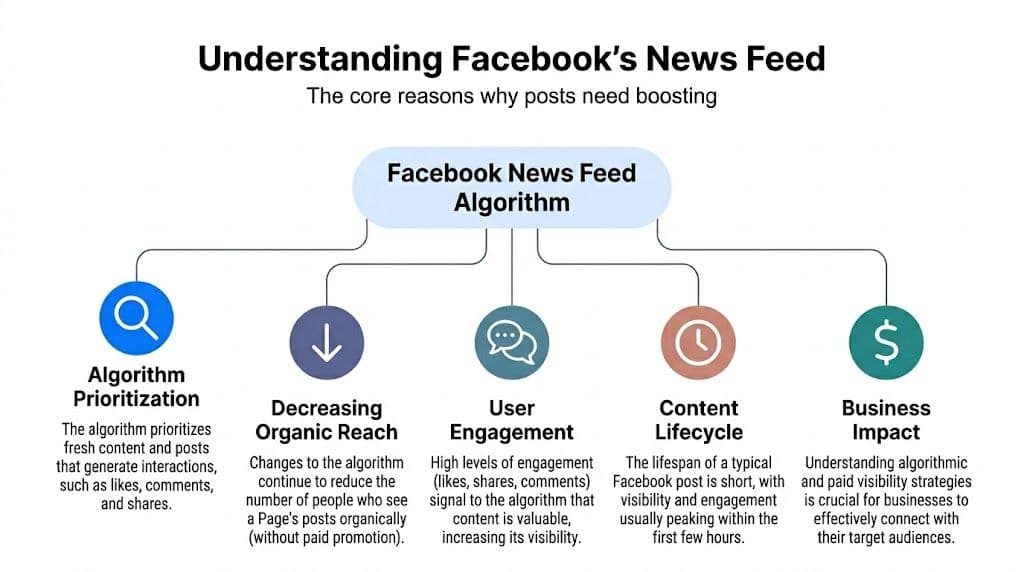
Those numbers matter because they confirm what most social media managers already feel in practice. A post's first few hours aren't the whole story. If new interaction arrives later, Facebook can treat that post as relevant again.
What Facebook reads as a useful signal
Not all engagement is equal. A quick like can help, but comments, replies, shares, and discussion depth tend to be stronger signals because they indicate active interest.
That changes how you should think about older posts. Instead of asking, "Should I repost this?" ask, "Can I create a new reason for people to interact with it?"
A useful framing is this:
| Signal | What it tells Facebook | Better approach |
|---|---|---|
| Likes | Mild interest | Don't rely on this alone |
| Generic comments | Weak relevance | Avoid one-word bumps |
| Replies to a question | Ongoing discussion | Strong organic bump |
| Shares with context | Broader relevance | Strong secondary reach |
If you're trying to improve overall visibility, it's worth understanding the broader idea of social media reach, because bumping is really a reach extension tactic.
Why posts fade even when they're good
Good content still loses momentum. People open Facebook at different times, scroll at different speeds, and miss posts for reasons that have nothing to do with quality.
That's why bumping isn't a gimmick when it's done well. It's a way to give strong content a second chance to earn attention from the audience that didn't catch it the first time.
Posts don't need to be brand new to perform. They need to feel active.
Organic Bumping Techniques You Can Use Today
The fastest way to bump a post is still organic. No budget, no ad setup, no campaign structure. But the tactic has to create genuine interaction or it turns into noise.
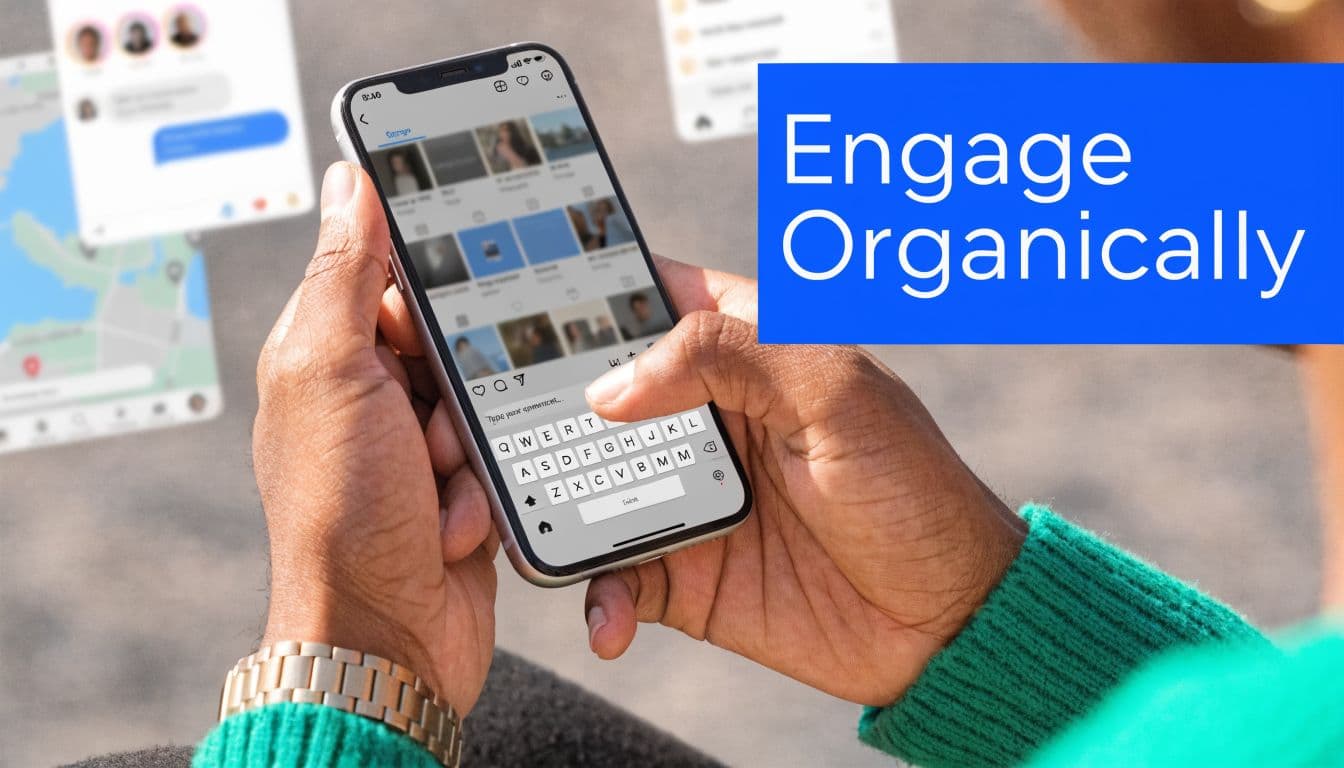
A structured 7-day bumping sequence that uses strategic comments, Story reshares, and group cross-posts can produce 2 to 3 times more impressions than a single bump, according to this guide on bumping Facebook posts. The reason is straightforward. Value-adding interactions send stronger relevance signals than empty comments.
Use comments that restart the conversation
The most common mistake is commenting "bump" or dropping an emoji. That rarely creates replies, and replies are what you want.
Use comments that add a reason to respond. Here are a few scripts that work well:
- Add a practical follow-up: "One thing we didn't mention in the original post is how this changes when you're working with a smaller budget. Has anyone tested that version?"
- Ask for experience, not opinion: "If you've tried this recently, what happened after the first week?"
- Invite a specific person carefully: "@Name, you've worked on this directly. Curious what you'd add here."
- Refresh with a timely angle: "We're seeing this come up again, especially for teams trying to simplify content workflows. What's changed for you lately?"
These comments work because they extend the post instead of repeating it.
Field note: The best bump comment reads like the next useful paragraph of the original post.
Edit the post when the creative is tired
Sometimes the copy is fine, but the post looks old. That's usually a creative problem, not a topic problem.
You can refresh a post by:
- Updating the image with a cleaner graphic, screenshot, or text overlay
- Tightening the opening lines so the hook lands faster
- Adding a clearer CTA that tells people what to say, click, or compare
- Turning one image into a small carousel if you need to explain a process
This is also where planning helps. If you're publishing regularly, a good social media calendar template makes it easier to decide which posts deserve a second push and when to revisit them.
If you're trying to improve the quality of the original post before you bump it, this guide on making posts more shareable is useful because stronger original structure gives your bump more to work with.
Reshare to Stories and Groups with a new angle
Story reshares are underused. They're quick, native to the platform, and they let you add fresh framing without changing the original post.
Good Story bump prompts include:
- "Quick poll. Would you try this?"
- "Missed this earlier? The second point is the one many overlook."
- "Reply with your version. I'm collecting examples."
For Groups, context matters even more. Don't dump the same post into multiple communities with identical wording. Rewrite the intro so it fits the group and make it useful on its own.
Here's a simple pattern:
- Start with the group-specific problem.
- Explain why the linked post is relevant.
- Ask one discussion question.
- Stay in the thread and reply.
A short walkthrough can help if you want to see how people approach post engagement in practice:
A practical organic sequence
If you want a repeatable playbook, use this rhythm:
| Day | Action |
|---|---|
| Day 1 | Publish and respond quickly to early comments |
| Day 2 | Add a comment with a new question or angle |
| Day 3 | Reshare to Story with a poll or prompt |
| Day 4 | Share into one relevant Group with custom context |
| Day 5 or later | Summarize discussion in a new comment |
That sequence keeps the post active without making it look desperate.
Using Paid Amplification to Strategically Bump Posts
Organic bumping is usually the first move. Paid amplification makes sense when the post already proved it has legs and you want more reach from the same asset.
The biggest mistake here is assuming the Boost Post button and Ads Manager do the same job. They don't. Boost Post is quick, but it's usually too broad. Ads Manager gives you cleaner control over audience, objective, placement, and follow-up.
Using Facebook Ads Manager for precise targeting, such as fans plus specific interests, can drive 3 times the engagement of a broad Boost Post campaign. A hybrid strategy that combines a value-adding comment with a targeted $5 to $10 per day promotion can lift reach by 40% to 60%, according to this analysis of Story Bump and promoted post tactics.
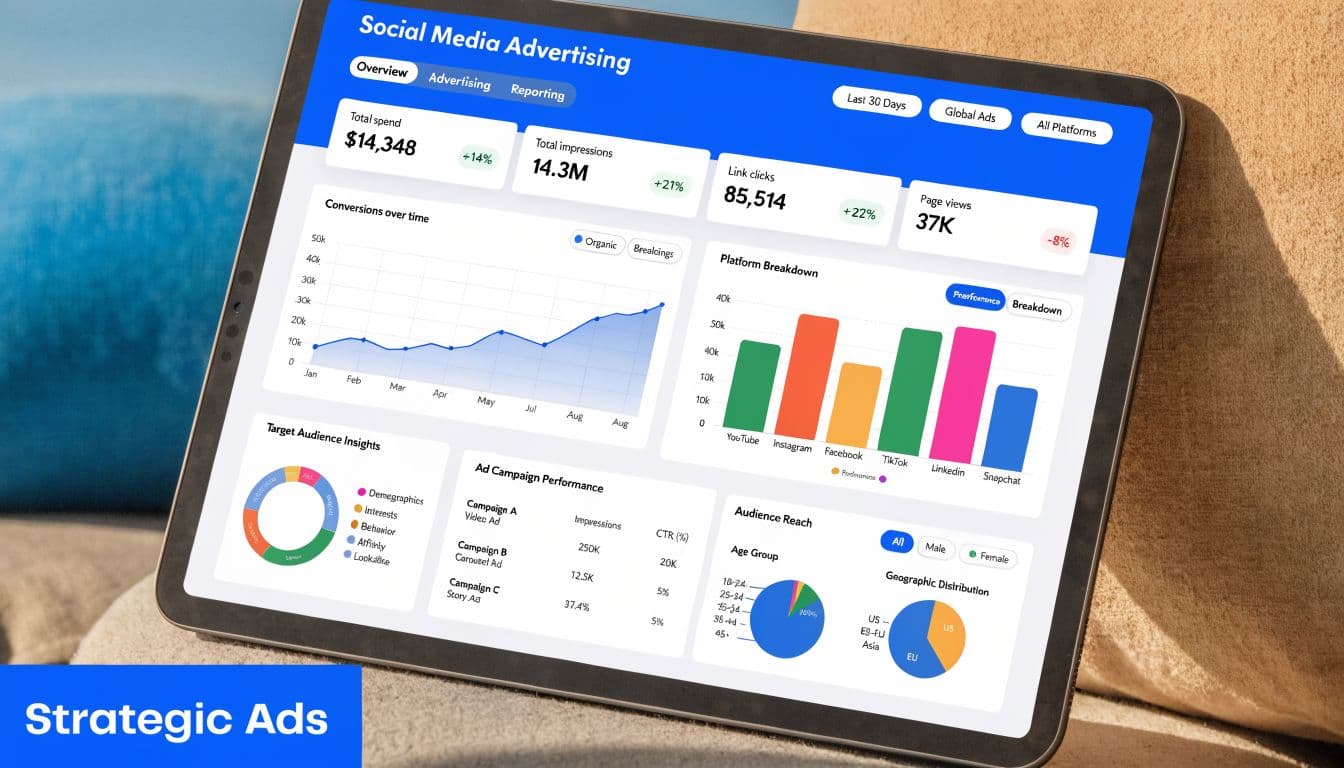
Boost Post versus Ads Manager
Here's the practical difference:
| Option | Best for | Main drawback |
|---|---|---|
| Boost Post | Fast visibility for simple posts | Broad targeting, less control |
| Ads Manager | Strategic bumping of proven posts | Takes more setup |
If you only need quick awareness, Boost Post can be enough. If you're trying to revive a post tied to leads, event signups, or a specific audience segment, Ads Manager is the better tool.
How to run a small bump campaign
A useful paid bump has four parts:
- Choose the right post: Pick one that already got comments, shares, or saves. Don't spend money trying to rescue a weak post with no signs of interest.
- Tighten the audience: Use fans, lookalikes, or narrow interest targeting. Keep the audience relevant.
- Add a real comment first: Seed the post with a fresh angle before spend starts.
- Watch the after-effect: Paid engagement can create the momentum that helps the post continue organically after the promotion ends.
For campaign setup discipline, it helps to follow strong best practices for Facebook Ads so you don't waste budget on vague targeting or weak objectives.
Paid works best when it amplifies a post that's already saying something people care about.
Track the bump properly
A paid bump is still a campaign. If you're sending traffic anywhere off-platform, use tracked links so you know whether the bump drove clicks, not just vanity engagement. This guide on UTM parameters in Google Analytics is worth using before you spend.
The right mindset is simple. Don't pay to force attention onto a dead post. Pay to extend the life of a post that already earned a second look.
Automate Your Bumping Strategy with PostOnce
Manual bumping works. It also eats time.
If you're publishing across Facebook, Instagram, LinkedIn, Reddit, Threads, or X, the bottleneck isn't usually creativity. It's distribution. Teams write one good post, then lose time adapting it, reposting it, resharing it, and trying to revive it platform by platform.
That is exactly where PostOnce fits the search intent behind how to bump a facebook post. Instead of treating bumping as a repetitive rescue mission after reach drops, you can build a workflow where content starts with broader distribution and better timing.
Why automation changes the game
The old workflow looks like this:
- Publish to Facebook
- Wait for reach to slow
- Comment manually
- Reshare manually
- Adapt the same post for other networks
- Repeat next week
The automation-first workflow is cleaner:
- Create once
- Cross-post automatically
- Adjust by platform format
- Keep a consistent publishing rhythm
- Reduce the pressure on any one post to carry all the load
That doesn't eliminate bumping. It reduces how often you're forced to do emergency bumping because your initial distribution was too narrow.
What this solves in practice
For solo creators, it cuts the copy-paste routine.
For small businesses, it keeps the brand visible without requiring someone to babysit every post.
For agencies, it standardizes distribution rules across accounts so strong content doesn't get stranded on a single network.
The smartest bump is often the one you prevented by distributing the post properly from the start.
A better long-term habit
If you regularly find yourself trying to revive Facebook posts, the issue usually isn't just engagement. It's workflow design.
A platform like PostOnce lets you set cross-posting rules, keep content moving, and create more opportunities for interaction across multiple channels. That gives each idea more surface area. In practical terms, that means fewer frantic last-minute bumps and more content that keeps working after publish day.
Best Practices and Common Mistakes to Avoid
The difference between strategic bumping and spam is usually obvious in hindsight. Strategic bumping adds value. Spam repeats itself.
One timing detail matters more than is commonly understood. Bumping during identified peak engagement windows, including patterns like 8 p.m. on a Thursday, can create "golden hour" spikes, according to Hootsuite's Facebook algorithm analysis. That doesn't mean everyone should use that exact slot. It means you should look at your own page activity and bump when your audience is most likely to respond.
What to keep doing
A few habits consistently make bumping safer and more effective:
- Use Facebook Insights: Find when your audience is online before you add comments or reshares.
- Select evergreen posts: Choose posts that still make sense today. Old but relevant beats recent but weak.
- Add new context every time: Give people a reason to engage now, not the same reason they ignored before.
- Stay active after the bump: Reply fast. A bump without community management wastes the opportunity.
For a broader operating framework, these social media best practices are useful because bumping works best inside a disciplined publishing system.
What to stop doing
The usual mistakes are predictable:
- Generic comments: "Bump," "following," or emojis don't create meaningful discussion.
- Overposting in Groups: Moderators are cracking down on lazy promotion, and repeated low-value bumps can get you muted or removed.
- Bumping weak posts repeatedly: If the post never had a strong response, stop trying to revive it and improve the next one.
- Using the same angle everywhere: A Story, a Group, and a feed comment shouldn't all read the same.
If a bump feels like you're trying to game the feed, rewrite it until it feels useful.
A simple decision filter
Before you bump any post, ask three questions:
| Question | If yes | If no |
|---|---|---|
| Is the post still relevant? | Continue | Leave it alone |
| Can you add a new angle? | Comment, edit, or reshare | Don't force it |
| Will this fit the audience and channel? | Bump it | Use a different asset |
That filter prevents most bad bumps before they happen.
If you want fewer posts to die early and less manual work keeping them alive, PostOnce is the practical next step. Create once, distribute across platforms automatically, and build a content workflow that doesn't depend on constant manual bumping to stay visible.