












The wrong Instagram account setup creates work you do not need. It limits reporting, complicates publishing, and forces awkward workarounds once your content has to perform across more than one channel.
That operational problem shows up early. PostOnce helps teams publish from one workflow to Instagram and other networks such as Threads, BlueSky, and LinkedIn, so crossposting does not turn into a manual task repeated five times. If your plan includes multi-channel distribution, creator revenue, or personal brand growth beyond Instagram alone, your account choice needs to support that from the start. For creators building a wider publishing system, this guide to the best platforms for content creators is a useful companion. If video revenue is part of the model, the YouTube creator monetization guide helps frame that side of the business.
Instagram's structure is straightforward. It centers on three native account types: Personal, Creator, and Business. Professional accounts are built for public growth and performance tracking. Personal accounts keep things simpler and more private, as outlined in Digital Stack's breakdown of Instagram account types.
The main decision is not just which native setting to choose. It is how that setting supports the operating model behind the account.
In practice, these three native account types are used to run several distinct models: creator brands, storefronts, lifestyle profiles, niche education pages, fan communities, and ambassador accounts. Each one comes with different trade-offs around discovery, analytics, monetization, privacy, and publishing workflow. The sections below break down eight practical account types, where each one fits, where it creates friction, and the automation playbook I would use with PostOnce to keep growth manageable.
1. Creator Account
If your name is the brand, a Creator account is usually the cleanest fit.
Instagram's professional setup splits between Business and Creator, and Creator works best when audience growth, content performance, and personal brand visibility matter more than lead forms or storefront mechanics. For solo operators, that's often the better starting point. Coaches, artists, commentators, and public-facing freelancers usually need flexibility more than a full sales stack.
The operational advantage is straightforward. Professional accounts provide access to tools that Personal accounts don't, and the Creator tier is designed around follower insights, content performance, and creator-focused workflows, as described in Brandwatch's guide to Instagram account types.
What works
Creators win when the content engine is clear and repeatable. Cristiano Ronaldo uses Instagram as a public-facing media channel. Smaller creators do the same thing on a different scale: a recognizable topic, a consistent style, and fast audience feedback.
A strong Creator account usually includes:
- Clear category positioning: People should know within seconds whether you're a fitness coach, comedian, musician, or design educator.
- Repeatable content formats: Reels, face-to-camera clips, reaction videos, tutorials, or opinion posts.
- Direct audience interaction: Replies, story prompts, broadcast-style updates, and inbox management.
Practical rule: If your audience follows you for your perspective more than your company, start with Creator.
What doesn't
Creator accounts get messy when people try to force them into a store or customer service channel. If your profile needs formal lead capture, shopping features, or a clear path to inquiries at scale, Business is often better.
There's also a content reality most new creators ignore. You can't rely on inspiration. You need a system that lets one piece of content travel. A short educational Reel can become a Threads post, a LinkedIn insight, and a BlueSky variation with almost no strategic change.
That's why a crossposting workflow matters. If you publish frequently, these platforms for content creators are where the same idea can keep compounding instead of dying on one feed. If monetization is part of your plan beyond Instagram, the YouTube creator monetization guide is also a useful complement.
PostOnce automation playbook
Use Instagram as the visual home base, then let PostOnce distribute the same core idea outward. For creators, the best setup is simple: publish one strong content asset, map caption variations by platform, and keep the publishing cadence consistent enough that your audience sees you everywhere, not just on Instagram.
2. Business Account
A Business account is the right choice when Instagram needs to support revenue, customer actions, or formal marketing workflows.
That includes product brands, service businesses, local companies, consultants with an offer stack, and any team that needs measurable outcomes. Instagram's own professional account structure makes the distinction clear: Business is built for brands that need marketing tools, analytics, contact options, and ad-related features. For commercial use, that's the practical center of gravity.

A lot of businesses still run Instagram like a prettier brochure. That usually fails. The account has to answer three questions fast: what you sell, who it's for, and what someone should do next.
Where Business accounts outperform
Nike, Sephora, and Glossier use Instagram as a conversion-assist channel, not just a brand gallery. Smaller businesses should copy that thinking, not the production budget.
Business accounts work best when you build around action:
- Profile clarity: Contact options, service category, booking path, or store direction.
- Offer-led content: Product carousels, before-and-after results, demos, testimonials, FAQs.
- Operational response time: Comments and DMs need a real owner.
The tradeoff most brands miss
Business accounts are stronger for selling, but they can feel less flexible for culture-driven content. If your strategy depends heavily on trending audio and personality-led Reels, Creator may feel better. This is one reason hybrid users, such as coaches and indie creators who also sell, often struggle with the choice. Instagram's help documentation confirms that professional accounts split into Business and Creator, but the core decision comes down to feature tradeoffs rather than labels alone, as noted in Instagram's professional account help page.
That's also why setup matters before content production. If you're still deciding, this walkthrough on how to change Instagram to business account helps make the transition cleaner.
PostOnce automation playbook
For businesses, use PostOnce to turn campaign content into a distribution system. Product launch on Instagram. Short announcement on Threads. Authority angle on LinkedIn. Community update on Facebook. The win isn't just time saved. It's message consistency across every place buyers look you up after seeing your Instagram post.
3. Personal or Lifestyle Account
A Personal account is the default setup, and for a lot of people it's still the right one.
If your priority is sharing life updates, keeping your account private, or posting without turning your profile into a business asset, Personal does the job. That distinction matters more than people admit. Professional accounts are public by default, while Personal accounts can remain private, which makes account choice a privacy decision as much as a branding decision.
Lifestyle creators often blur this line. Selena Gomez and Kylie Jenner can post personal moments while still operating as global public figures, but most users don't need to mimic that model. If your account exists for friends, family, and low-pressure sharing, there's no prize for upgrading too early.
Why Personal still makes sense
Personal accounts are underrated because they remove pressure. No dashboards. No contact buttons. No expectation that every post needs to perform.
That simplicity fits people who want:
- Privacy control: You can stay private if that matters.
- Low-stakes posting: No need to optimize every caption or format.
- Relationship-first sharing: The audience is known, not abstract.
Keep a Personal account when privacy is the point. Don't switch to professional tools just because someone said “growth” is always better.
Where it breaks down
The moment you want structured insights, repeatable publishing, or commercial intent, the Personal account starts getting in the way. You lose operational visibility. You also make cross-platform strategy less clean because the account isn't set up as a professional publishing asset.
That said, lifestyle users can still benefit from automation if they post publicly or maintain multiple channels. A travel diary, parenting profile, or day-in-the-life account often works better when one original post can be adapted and shared elsewhere without extra effort.
PostOnce automation playbook
For lifestyle content, don't overbuild. Use PostOnce to repost your best updates to networks where your personal brand or community already exists. The goal isn't heavy optimization. It's consistent presence without opening five apps every time you want to share the same update, photo set, or story-driven idea.
4. Niche or Hobbyist Account
Some of the best Instagram accounts aren't broad at all. They're narrow, obsessive, and useful.
That's the strength of a niche or hobbyist account. Plant care, macro photography, home coffee, gaming clips, sourdough, watercolor, mobility training. These accounts grow because they give people a reason to follow beyond general personality. They serve a specific interest with enough consistency that followers know what they'll get.
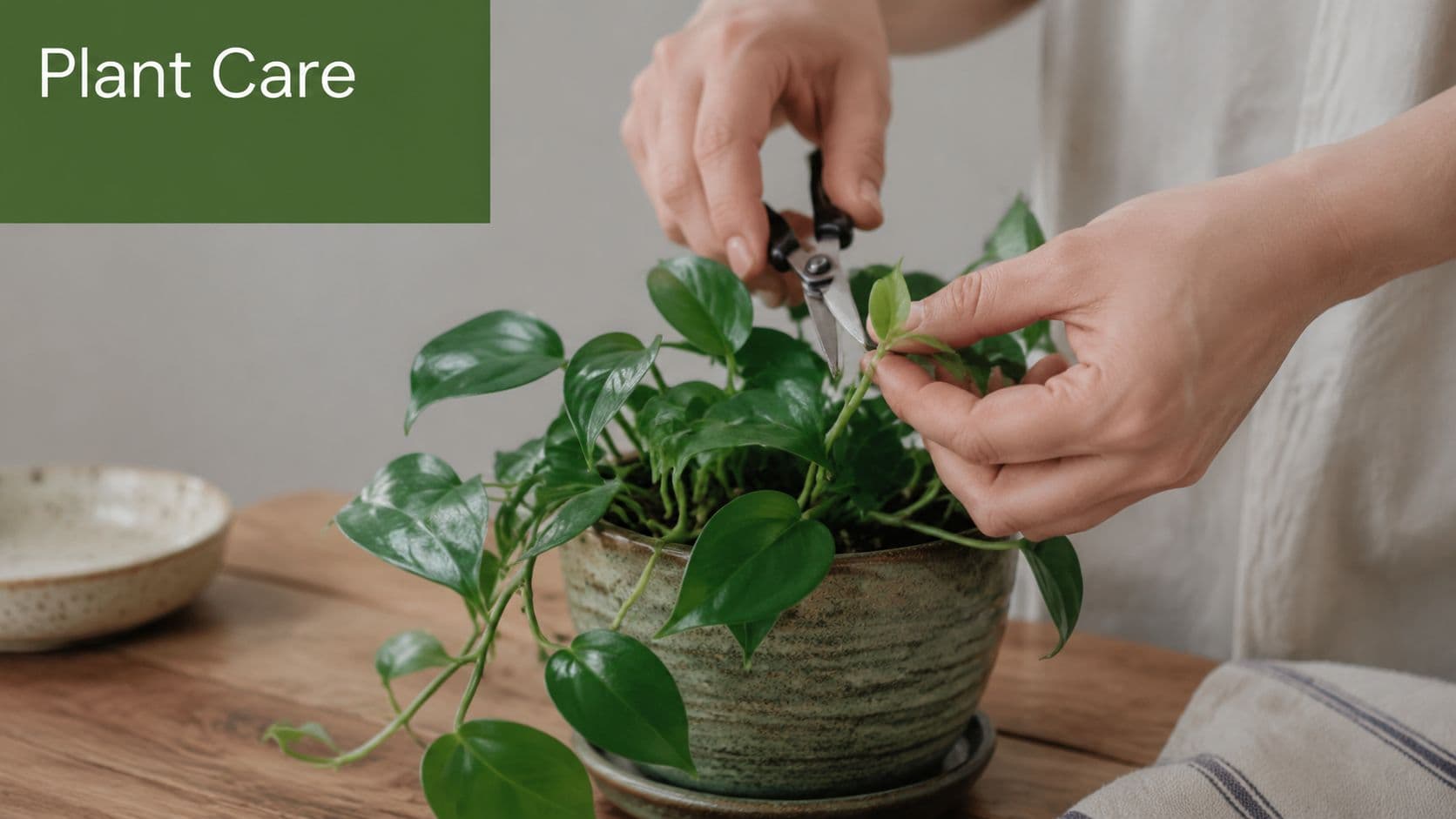
The strongest niche accounts usually start small and sharp. The Sill built a recognizable visual world around indoor plants. Photography accounts like @dearsuzanne stand out because the angle is distinct, not generic.
How niche accounts actually grow
Breadth hurts these accounts more than it helps. If you post plants, then memes, then restaurant reviews, then workout clips, followers can't classify you. Instagram may still show the content, but people won't remember why they followed.
Use a narrow framework:
- Teach one thing well: Tutorials, care tips, process breakdowns, gear advice.
- Keep visual consistency: Similar framing, editing, or design cues.
- Stay inside one adjacent cluster: Houseplants can expand to styling, troubleshooting, and beginner guides. That's coherent. Random lifestyle dumping isn't.
A quick example helps show the format range that works in a narrow niche:
What hobbyists get wrong
They wait too long to package expertise. You don't need a certification to explain your process, document experiments, or compare tools. You do need consistency and enough repetition that followers see a reliable pattern.
This account type also monetizes better when the audience can travel with you. If you ever want to sell templates, coaching, products, or a newsletter, the niche has to be clear first.
PostOnce automation playbook
Niche content is perfect for repurposing. A pruning tip on Instagram can become a text-first care reminder on Threads, a longer explanation on LinkedIn if the topic fits professional audiences, or a community prompt elsewhere. PostOnce works well here because hobbyist creators usually don't have a team. They need one publishing action that keeps a specialized audience warm across multiple channels.
5. Brand or Corporate Account
A corporate Instagram account isn't just a bigger Business account. It plays a different role.
Brands like Netflix, Starbucks, and IKEA use Instagram to shape perception, support campaigns, and maintain cultural relevance. Sales still matter, but the account often serves several teams at once: marketing, social, community, PR, customer care, and sometimes recruiting. That's why corporate accounts need governance, not just content ideas.
What strong corporate accounts do differently
They build a content system, not a posting habit. Every asset has a job. Some posts drive awareness. Some support launches. Some humanize the company. Some absorb public conversation when attention spikes.
The mix usually works when teams define boundaries early:
- Brand voice: What the company sounds like in comments, Stories, and campaign posts.
- Escalation rules: Who handles complaints, legal flags, and crisis-adjacent comments.
- Publishing ownership: One team should own the calendar even if several teams contribute content.
Operational note: If multiple departments touch Instagram, document approval flow before you document content pillars.
The common failure pattern
Corporate accounts often become sterile because every post gets over-approved. Then the opposite happens. The brand chases trends with no internal alignment and sounds unlike itself. Both problems are workflow failures.
That's where cross-channel planning becomes practical, not cosmetic. A campaign shouldn't require every social manager to rebuild it for each network from scratch. Teams that want broader recall should think in systems. This guide on how to increase brand awareness is useful if you're structuring content beyond one platform.
PostOnce automation playbook
For corporate teams, PostOnce helps centralize distribution after approval. Once the message is cleared, the same campaign can move from Instagram to LinkedIn, Threads, Facebook, and other channels with platform-aware adjustments. That reduces rework and makes launches more consistent, especially when several accounts or regions are involved.
6. Educational or Thought Leadership Account
Educational accounts build authority faster than broad creator accounts because followers know exactly why they're there. They want a useful idea, a clear explanation, or a strong point of view they can apply.
That changes the content standard.
A thought leadership account has to be consistent in what it teaches and how it frames the topic. Business strategy, psychology, design, leadership, law, and research commentary can all work here, but the account needs a recognizable lens. Gary Vaynerchuk and Brené Brown sit in different categories, yet both use Instagram to distribute ideas with a clear perspective.
What works in practice
Strong educational accounts translate expertise into feed-native formats. The goal is not to sound academic. The goal is to make complex ideas easy to grasp, save, and share without watering them down.
The formats that usually perform best are:
- Framework posts: Break a process into steps people can revisit.
- Myth-busting posts: Correct bad assumptions in your field.
- Trend analysis: Explain what changed, who it affects, and what to do next.
- Point-of-view posts: Take a position and defend it with experience or evidence.
Instagram is especially useful if your audience includes students, early-career professionals, founders, or younger operators. As noted earlier, the platform skews younger than many channels, which makes it a strong place to teach practical skills, career insight, and professional judgment. If your goal is not just reach but discussion, these community building strategies for audience participation help turn passive readers into regular followers.
The trap to avoid
The common mistake is publishing content that reads like a slide from a workshop deck. Long blocks of text, too much jargon, and citation-heavy captions usually lose attention before the insight lands.
Clarity wins here.
Good educational content has structure. One idea per post. One clear takeaway. One reason to save it. Authority on Instagram comes from being useful on contact, then being consistent long enough that people trust your interpretation.
There's another trade-off. If every post is simplified too far, the account starts sounding generic. If every post is too dense, reach stalls. The better approach is a layered system. Use Instagram for the distilled version, then send followers to a longer format when the topic needs more depth.
PostOnce automation playbook
This account type benefits from repurposing more than almost any other. One strong idea can become a carousel for Instagram, a sharper text post for LinkedIn, a short thread for Threads, and a brief takeaway for BlueSky.
PostOnce helps operators run that system without rebuilding the same lesson for every platform by hand. Start with the clearest visual version on Instagram, adapt the wording for each channel's format, and keep the core idea consistent. That is how thought leadership compounds. One insight, multiple outputs, less production drag.
7. Community or Fan Account
Fan accounts and community pages run on enthusiasm, curation, and timing.
These accounts often form around shows, artists, sports teams, games, genres, or niche internet cultures. The best ones don't just repost. They organize attention. They gather updates, create inside jokes, run polls, and give followers a place to participate.
That's why community accounts can outperform larger official pages on engagement quality. They feel closer to the audience because they're built from the audience.
What makes them work
A strong fan or community account usually has a recognizable editorial role. It might be the fastest update source, the funniest page in the niche, or the best curator of fan-made content.
Useful habits include:
- Posting with context: Don't dump screenshots. Add commentary, schedule info, or implications.
- Moderating actively: Community energy turns fast if comments go unmanaged.
- Running recurring engagement: Polls, rankings, memes, fan questions, live reactions.
For operators who want a stronger participation model, these community building strategies are a good foundation.
The risk side
Copyright issues, rumor posting, and weak moderation can sink these accounts quickly. So can trying to act “official” when you're not. Be clear about what the page is. Curate responsibly. Credit creators. Don't turn speculation into fake certainty.
Another practical issue is account type. If the page needs public visibility, analytics, and collaboration workflows, a professional setup is usually more useful than a private Personal account. But if privacy or low exposure matters, Personal may still be safer.
Community pages grow on trust. Fast posting helps, but reliable posting helps more.
PostOnce automation playbook
Community accounts often publish the same update in several places. Event reminders, release reactions, recap graphics, and fan discussions can be distributed through eligible PostOnce source/destination pairs and post types. Participation in Reddit-style communities remains a separate manual activity.
8. Micro-Influencer or Ambassador Account
Here, Instagram often feels most commercially effective.
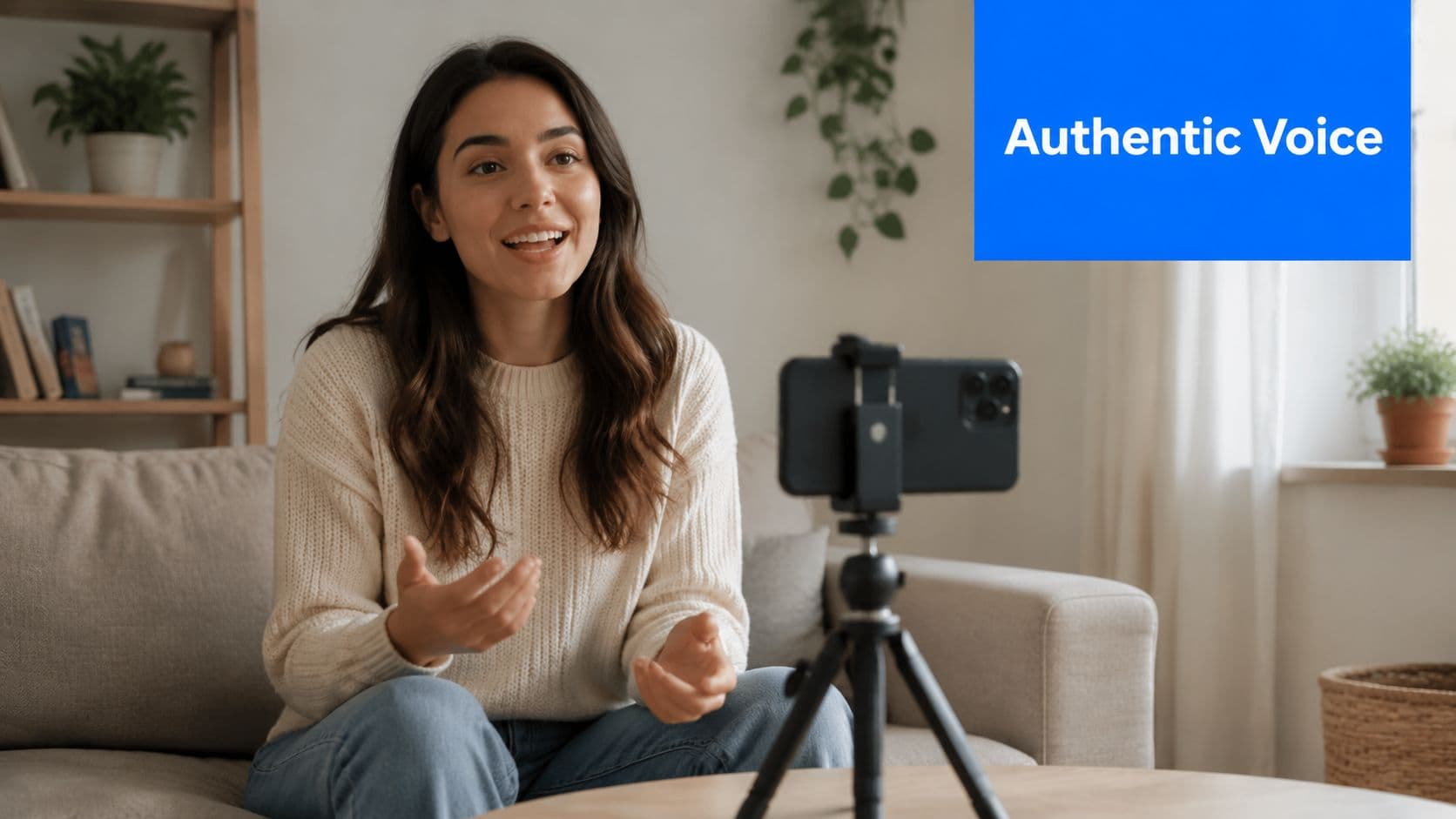
A micro-influencer or ambassador account sits close to a specific audience and tends to work because the creator still feels reachable. The exact follower threshold varies by industry, but the model is consistent: a focused niche, visible trust, and enough influence to move attention or buying intent inside a defined community.
That could be a local trainer, a home cook, a parenting creator, a runner reviewing gear, or a faith-based lifestyle account. The account doesn't need celebrity scale. It needs relevance.
Why brands like this model
These creators often speak to tighter communities with more specificity than large creators can. A local skincare specialist can influence the exact people a clinic wants. A niche cooking creator can drive product interest because their recommendations feel tested, not scripted.
The account works best when three things are true:
- One clear niche: Followers should know what kinds of recommendations to expect.
- Visible personality: Sponsored content has to still sound like the creator.
- Platform consistency: Trust falls when the account goes quiet between partnerships.
What doesn't work
Chasing every brand deal kills these accounts fast. So does constant category switching. If someone followed for fitness coaching, then sees random gambling promos, beauty products, and unrelated software ads, credibility erodes.
This is also where basic growth discipline matters. If you're building this type of profile deliberately, this guide on how to grow your following on Instagram is a useful operational reference.
PostOnce automation playbook
Micro-influencers need steady presence more than maximum volume. PostOnce fits that need well. You can publish campaign content, organic updates, and recurring niche posts from one workflow, then keep your audience touchpoints active across Instagram and the other platforms where brands may vet your consistency before reaching out.
Comparison of 8 Instagram Account Types
| Account Type | Implementation Complexity 🔄 | Resource Requirements ⚡ | Expected Outcomes ⭐📊 | Ideal Use Cases 💡 | Key Advantages ⭐ |
|---|---|---|---|---|---|
| Creator Account | 🔄 Medium, account setup plus feature thresholds | ⚡ Moderate, steady content, community management, analytics use | ⭐📊 Strong growth & monetization potential; detailed audience insights | 💡 Solo creators/influencers aiming to monetize and scale | ⭐ Advanced creator tools, exclusive monetization, analytics |
| Business Account | 🔄 Medium, business verification and commerce approvals | ⚡ Moderate–High, product catalog, ads, customer service | ⭐📊 Improved direct sales and ad performance; measurable conversions | 💡 E‑commerce, service providers, SMBs focused on sales | ⭐ Shoppable posts, Ads Manager, checkout & CTA features |
| Personal/Lifestyle Account | 🔄 Low, minimal setup, casual publishing | ⚡ Low, occasional posts and organic engagement | ⭐📊 High authenticity and loyalty; limited monetization & analytics | 💡 Individuals sharing daily life and building genuine connections | ⭐ Authenticity, low pressure, flexible content direction |
| Niche/Hobbyist Account | 🔄 Low–Medium, consistent thematic planning required | ⚡ Moderate, domain expertise and niche content creation | ⭐📊 High engagement within niche; targeted sponsorships/affiliates | 💡 Hobbyists and experts building authority in a specific interest | ⭐ Loyal micro-communities, strong niche monetization potential |
| Brand/Corporate Account | 🔄 High, multi-team workflows, compliance, moderation | ⚡ High, dedicated team, content calendar, PR/CRM integration | ⭐📊 Broad brand awareness, customer service channel, UGC generation | 💡 Established companies scaling brand and customer relationships | ⭐ Professional branding, integrated campaigns, reputation control |
| Educational / Thought Leadership Account | 🔄 Medium–High, research-driven, structured content flow | ⚡ Moderate–High, content development, sourcing data, repurposing | ⭐📊 Authority building and lead generation for courses/consulting | 💡 Experts, consultants, authors monetizing knowledge & services | ⭐ Long‑shelf content, high conversion to paid offerings |
| Community / Fan Account | 🔄 Medium, community rules and active moderation needed | ⚡ Low–Moderate, curation, moderation, event coordination | ⭐📊 Highly engaged, passionate audience; organic sponsorship opportunities | 💡 Fan organizers for shows, artists, games, and franchises | ⭐ Passionate engagement, low operational cost, authentic voice |
| Micro‑Influencer / Ambassador Account | 🔄 Medium, consistent niche focus and professional output | ⚡ Moderate, frequent posting, engagement, partnership management | ⭐📊 High engagement and strong ROI for brands; modest reach | 💡 Small creators seeking authentic brand deals and growth | ⭐ High engagement rates, affordable partnerships, strong trust |
Your Next Step: Align Your Account with Your Goals
The biggest mistake people make with the types of Instagram accounts is treating them like a branding label instead of an operating model. Personal, Creator, and Business aren't cosmetic settings. They affect privacy, analytics, conversion options, and how easy it is to run Instagram as part of a broader content system.
That matters even more if you switch later. Instagram account changes are possible, and the practical concerns are usually about what changes after the switch, what stays public, and whether existing content breaks. Agorapulse notes that users can switch between account types in settings, that professional accounts are always public, and that switching doesn't remove existing posts or followers, which you can review in its guide to switching Instagram account types. In other words, the decision isn't irreversible, but it does affect your workflow immediately.
Here's the strategic shortcut I use. If privacy matters most, stay Personal. If your name and content are the product, start with Creator. If you need selling tools, formal customer actions, or a cleaner commercial setup, use Business. Then build your actual account style from there: lifestyle, niche, educational, fan-driven, corporate, or ambassador-based.
The second half of the decision is distribution. An Instagram account can be well chosen and still underperform because the workflow around it is weak. If every post has to be manually rewritten, reformatted, and republished across platforms, consistency drops. Teams miss windows. Solo creators burn out. Brands lose message control.
That's why automation belongs in the same conversation as account type. Once your Instagram foundation matches your goals, the next move is to make each post do more work. A Reel can support Threads. A product post can support LinkedIn. A niche tutorial can support several communities at once. PostOnce is one option for that because it lets you publish once and distribute across multiple networks from a single workflow.
Pick the account type that fits how you operate, not how you want to describe yourself. Then build a posting system that keeps your content moving wherever your audience already spends time.
If you want your Instagram posts to keep working after you hit publish, PostOnce gives you a practical way to crosspost them across multiple social networks from one workflow. It's a clean fit for creators, businesses, and teams that want less manual publishing and more consistent reach.